





Introduction
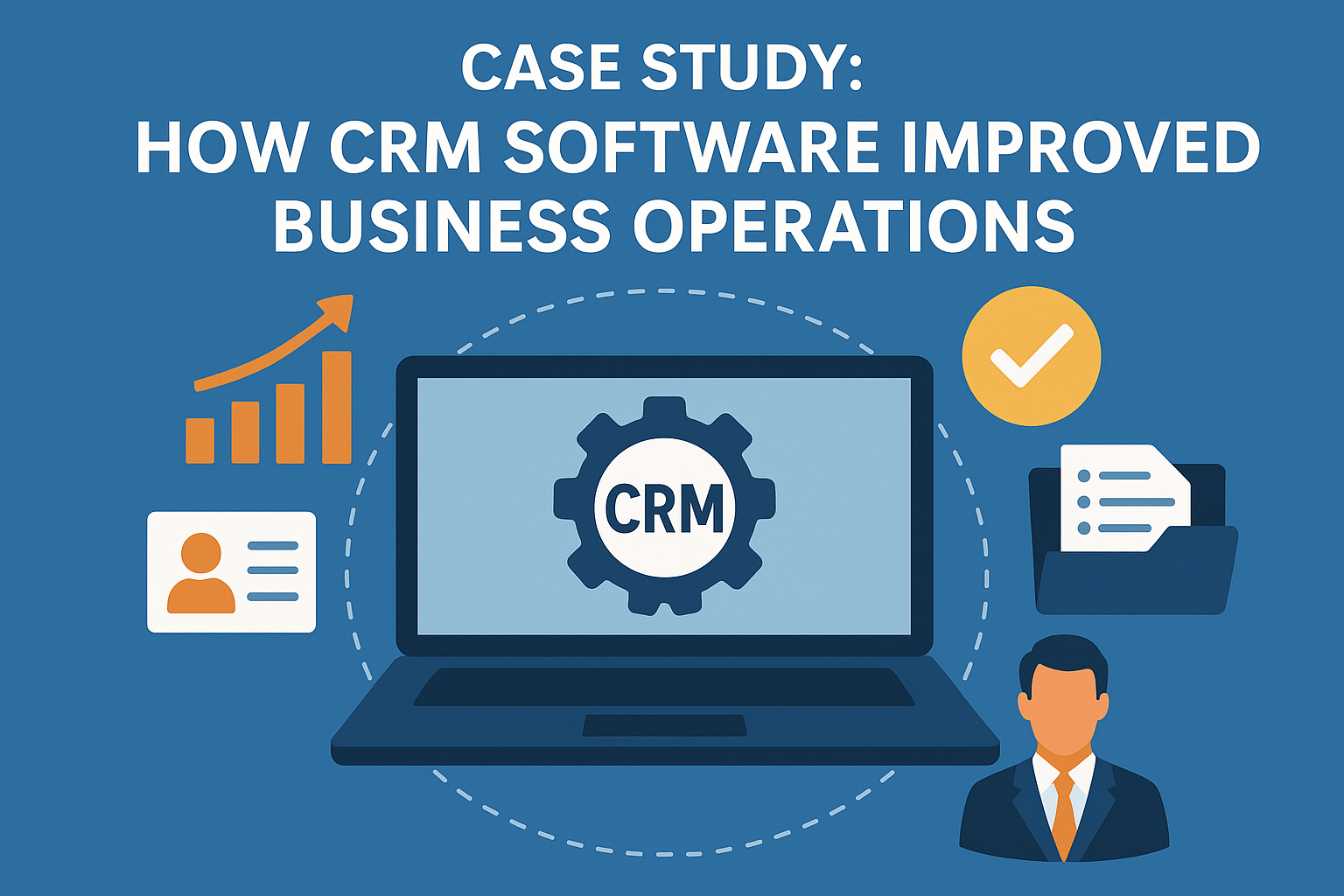
In an era where customer relationships are paramount, companies are turning to Customer Relationship Management (CRM) software to streamline their operations, boost sales, and enhance customer satisfaction. This case study explores how a mid-sized company, XYZ Corp, transformed its business operations through the adoption of CRM software.
Background
XYZ Corp, a company specializing in B2B marketing solutions, was experiencing challenges with its client management and sales processes. The firm relied heavily on spreadsheets and manual data entry, which led to inefficiencies, errors, and lost opportunities. The sales team struggled with tracking leads and managing follow-ups while customer service could not efficiently access customer histories to provide quality service.
After identifying their operational hurdles, the management decided it was time to embrace technology to alleviate these issues. They researched various CRM solutions and ultimately decided to implement a comprehensive CRM platform that integrated sales, marketing, and customer service functionalities.
Implementation of CRM Software
The implementation process involved several key steps:
-
Needs Assessment: The management team conducted meetings with various departments to identify specific needs. The sales and customer service teams provided insights into their pain points with the existing systems.
-
CRM Selection: After careful evaluation, the company chose a CRM solution that offered advanced features such as lead tracking, marketing automation, customer analytics, and integration with existing tools like email marketing platforms.
-
Training: To ensure a smooth transition, XYZ Corp invested time in training employees on the new system. This included hands-on sessions and tutorials so that employees felt comfortable navigating the software.
-
Integration: The CRM was integrated with other essential tools used by the company, such as its email platform and project management software. This ensured seamless data flow across different departments.
-
Feedback Mechanism: A feedback mechanism was put in place to collect insights from team members on the effectiveness of the CRM system and any additional features they might require.
Results of CRM Implementation
The results following the CRM implementation were substantial and showcased the software’s impact on various business operations:
Enhanced Lead Management
With the new CRM system, the sales team had a better grip on lead management. Leads were automatically captured from multiple channels, including email, website forms, and social media. This automation reduced data entry errors and allowed for timely follow-ups.
Within six months, lead conversion rates increased by 30%. Sales representatives could view all interaction history, making them more prepared for calls and meetings.
Improved Customer Service
The customer service department experienced tremendous benefits. The CRM provided a 360-degree view of each customer’s history, from past purchases to previous complaints. Customer service representatives could now quickly resolve issues and provide personalized experiences.
Customer satisfaction scores improved dramatically, with positive feedback reflecting the faster resolution times and enhanced customer interactions.
Streamlined Marketing Efforts
The CRM’s marketing automation tools transformed XYZ Corp’s marketing strategies. Marketing campaigns could now be easily segmented and tailored based on customer data. This targeted approach resulted in a staggering increase in email open rates and click-through rates.
The marketing team was able to track campaign performance in real time, allowing for adjustments to be made swiftly for maximum effectiveness.
Data-Driven Insights
One of the greatest assets of CRM software is its ability to provide actionable data analytics. With robust reporting features, XYZ Corp received insights into sales performance, customer behavior, and market trends. This data enabled informed decision-making and strategic planning.
Conclusion
The comprehensive CRM system fundamentally transformed XYZ Corp’s business operations. Not only did it streamline processes, enhance customer relationships, and improve data management, but it also equipped the company to adapt to market changes with agility.
The investment in CRM software proved to be invaluable, leading to improved sales performance, higher customer satisfaction, and ultimately, a healthier bottom line.
FAQs
1. What is CRM software?
CRM software is a technology that helps companies manage interactions with current and potential customers. It helps streamline processes, improve customer satisfaction, and drive sales through data analyze and management.
2. What are the key features to look for in CRM software?
Key features include lead management, contact management, sales automation, marketing automation, reporting and analytics, customer service tools, and integration capabilities with other software applications.
3. How long does it take to implement CRM software?
The timeline for CRM implementation can vary widely depending on the size of the company, the complexity of the processes, and the chosen CRM platform. Generally, it can take anywhere from a few weeks to several months.
4. How can CRM software improve customer service?
By providing comprehensive customer profiles, CRM software allows customer service representatives to quickly understand customer needs, track previous interactions, and resolve issues swiftly, improving overall satisfaction.
5. Is CRM software suitable for small businesses?
Yes, CRM software is beneficial for businesses of all sizes, including small businesses. Many vendors offer scalable solutions that cater to the specific needs and budgets of small enterprises.
6. How does CRM software help in marketing?
CRM software allows marketers to segment audiences, tailor marketing messages, track campaign performance, and analyze customer behavior, resulting in more effective marketing strategies.
7. Can CRM software integrate with other tools?
Most modern CRM software solutions offer integration capabilities with various applications such as email marketing platforms, project management tools, and e-commerce systems, allowing for a unified data flow across the organization.
In this digital age, adopting the right CRM software can be the difference between a company’s growth and stagnation. For XYZ Corp, the choice to implement this technology has proven to be a strategic game-changer, paving the way for future success.