


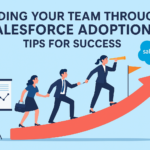
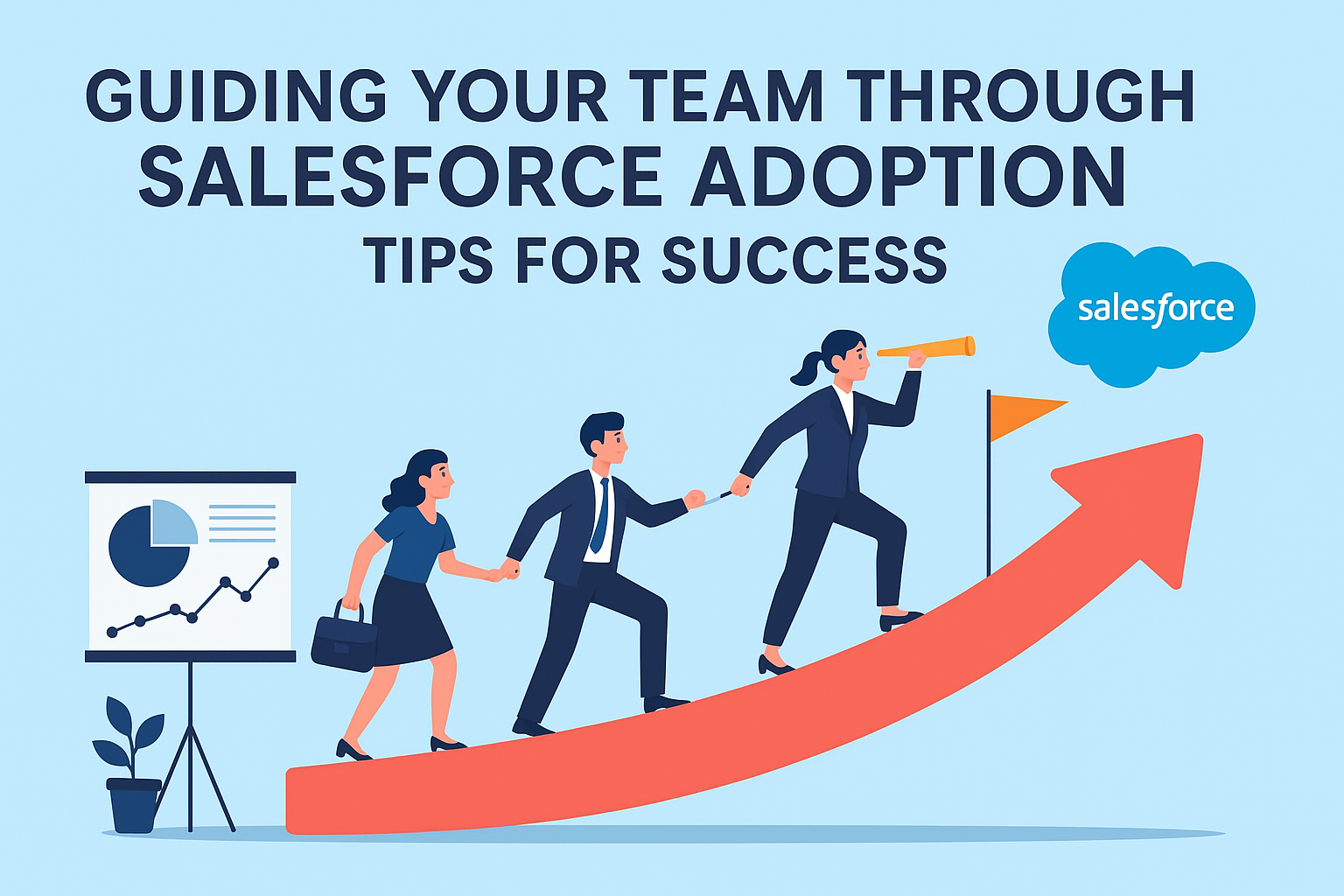
In today’s fast-paced business environment, Customer Relationship Management (CRM) systems like Salesforce have become essential tools for organizations looking to enhance their sales, marketing, and customer service efforts. However, successful Salesforce adoption goes beyond merely implementing the software; it requires thoughtful planning, training, and ongoing support from leadership. This article will provide you with actionable tips for guiding your team through Salesforce adoption, ensuring that you maximize the benefits of this powerful platform.
Understanding the Importance of Salesforce Adoption
Before diving into the strategies for successful adoption, it’s crucial to understand why Salesforce is important for your business. Salesforce streamlines processes, enhances team collaboration, and provides deeper insights into customer behavior, which can translate into improved sales performance and customer satisfaction. However, if your team is not fully onboard, you may not reap these benefits. Thus, fostering an environment of engagement and support is vital for successful Salesforce adoption.
1. Assess the Current State
Before implementing Salesforce, conduct a thorough assessment of your current processes, tools, and team capabilities. Identify areas where your existing systems fall short and clarify your objectives for adopting Salesforce. Engaging your team in this assessment helps build ownership and provides insights into what the implementation should target.
2. Develop a Clear Change Management Plan
Change, especially in technology, can be daunting. To mitigate resistance, create a change management plan that outlines the steps you’ll take to transition to Salesforce effectively. This plan should include:
- Goals and Objectives: Clearly define what success looks like.
- Roles and Responsibilities: Designate a project lead and form a cross-functional team to foster wider support.
- Timeline: Establish a realistic timeline for the implementation phase and subsequent training.
3. Engage Leadership and Stakeholders
Having buy-in from leadership is essential. Leaders should communicate the benefits of Salesforce adoption clearly and demonstrate their support actively. Encourage stakeholders from different departments to share their perspectives and foster a collaborative environment. Their involvement will not only legitimize the effort but also help in addressing concerns early in the process.
4. Tailor the Training Program
A one-size-fits-all training approach rarely works. Tailored training ensures that each team member learns how Salesforce benefits their specific role. Consider different training methods such as:
- Hands-On Workshops: Allow users to explore Salesforce capabilities in real-time under the guidance of an expert.
- Online Tutorials and Videos: Provide access to self-paced learning materials catering to different learning styles.
- Regular Q&A Sessions: Facilitate ongoing support through regular check-in meetings.
5. Utilize Champions and Super Users
Identify and empower a group of ‘champions’ or ‘super users’ within your team. These individuals can serve as Salesforce advocates, offering assistance and encouragement to other team members. They can also provide feedback to leadership about the training processes, common challenges, and feature requests.
6. Leverage Salesforce Resources
Salesforce offers a vast array of resources to facilitate adoption, including:
- Trailhead: An online learning platform packed with modules on every aspect of Salesforce.
- Community Forums: Engage with other users to share best practices, tips, and solutions for overcoming challenges.
Encouraging your team to utilize these resources can bolster their confidence and skills.
7. Promote a Culture of Continuous Improvement
Once Salesforce is up and running, emphasize a culture of ongoing learning and improvement. Regularly solicit feedback from team members about their experiences and challenges with the platform. This two-way communication will help identify areas for improvement in training and system configuration. Host periodic sessions to share success stories and new features to keep motivation high.
8. Monitor and Measure Adoption
Key performance indicators (KPIs) can help you monitor the effectiveness of your Salesforce adoption. Metrics such as user engagement, feature utilization, and data entry accuracy can signal how well your team has adapted to the new system. Use dashboards and reports to visualize these metrics and address any gaps promptly.
9. Celebrate Milestones
Recognizing achievements during the adoption process can boost morale and encourage continued engagement. Celebrate both small wins and larger milestones, whether it’s hitting a specific usage rate, completing a training milestone, or achieving an organizational goal with the help of Salesforce.
10. Provide Ongoing Support
Post-implementation support is just as critical as initial training. Create channels for continuous support, such as help desks, chat support, or designated points of contact. Regularly update your team on new features and enhancements, ensuring they remain excited and informed about Salesforce’s evolving capabilities.
Conclusion
Guiding your team through Salesforce adoption is not merely about training and implementation; it’s a comprehensive process that requires careful planning, engagement, and ongoing support. By following these strategies, you can create an environment conducive to successful adoption, enabling your team to leverage Salesforce to its full potential.
FAQs
1. How long does it typically take to adopt Salesforce fully?
The timeline for Salesforce adoption varies depending on the organization’s size, complexity, and existing processes. On average, full adoption can take anywhere from a few months to a year.
2. What should we do if team members resist using Salesforce?
Resistance is common during technological change. Address concerns by providing tailored training, fostering open communication, and highlighting the benefits they can gain. Involving team members in the decision-making process can also help alleviate resistance.
3. Are there any costs associated with Salesforce training?
While Salesforce offers many free resources through Trailhead, additional training may incur costs if you opt for external trainers or specialized workshops. Budget accordingly for comprehensive training.
4. What are some common pitfalls during Salesforce adoption?
Common pitfalls include insufficient training, lack of leadership support, failure to involve team members, and neglecting to measure progress. Being aware of these issues can help you prepare effectively.
5. How can I keep the motivation going after initial adoption?
To maintain motivation, celebrate wins, provide ongoing training, and engage team members in discussions around continuous improvement. Make it clear that Salesforce is a tool for their success, not an additional burden.
By focusing on these strategies, you can ensure your team not only adopts Salesforce but thrives while using it.