




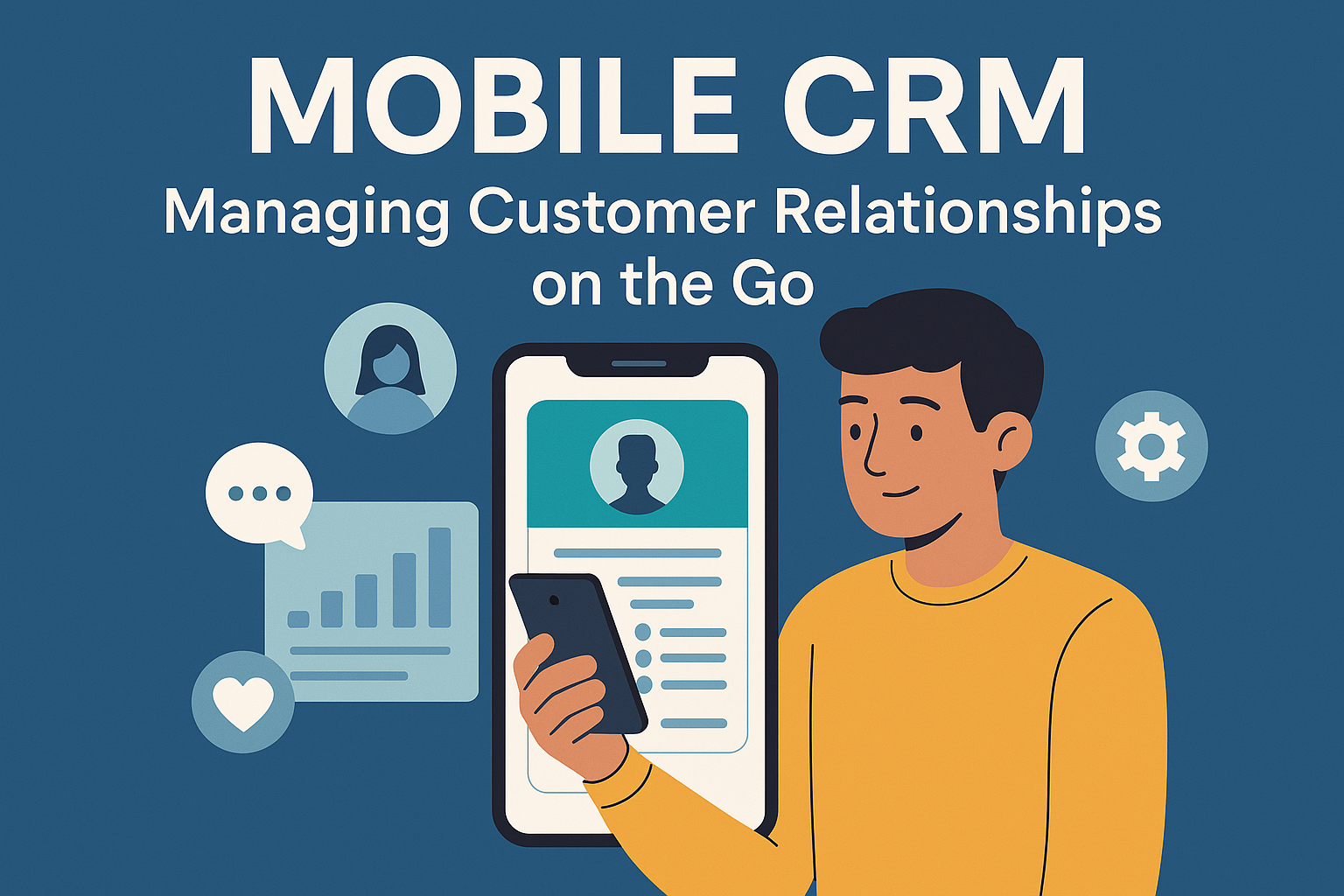
In the ever-evolving landscape of business, staying connected to customers is paramount. Enter Mobile Customer Relationship Management (CRM), an innovative solution that allows businesses to effectively manage customer interactions directly from their smartphones or tablets. With the proliferation of mobile technology, teams can engage with clients, track sales, and analyze data anytime and anywhere, ensuring that customer relationships remain strong even in a fast-paced market.
The Rise of Mobile CRM
The shift toward mobile CRM solutions is powered by several factors. Firstly, the increase in mobile device usage has transformed the way consumers interact with brands. According to reports, over 50% of web traffic is now generated from mobile devices, and this trend is expected to grow. Businesses recognize that to meet customers where they are, they must leverage mobile technology for relationship management.
Moreover, the global pandemic in 2020 accelerated the digitization of business processes. As companies shifted to remote work, the need for tools that provided real-time access to customer data became critical. Mobile CRM emerged as a solution that enables teams to maintain productivity and stay connected with clients regardless of their location.
Key Features of Mobile CRM
1. Real-time Data Access
One of the most significant advantages of mobile CRM is the ability to access customer data in real time. Sales representatives on the go can retrieve client information, sales history, and previous interactions to tailor their approach, enhancing the customer experience.
2. Contact Management
Mobile CRM applications enable users to easily manage contact lists, from adding new leads to segmenting existing customers. This built-in functionality helps teams initiate targeted marketing campaigns based on customer behavior.
3. Task and Activity Management
Mobile CRM provides functionalities to manage tasks, set reminders, and schedule appointments. This ensures that no important customer interactions fall through the cracks, allowing teams to stay organized and efficient.
4. Reporting and Analytics
Business insights are essential in strategizing for customer engagement. Mobile CRM tools often include dashboard features that offer analytics and reporting tools. Users can track sales performance, customer behavior, and campaign effectiveness on the go.
5. Collaboration Tools
Many mobile CRM solutions come equipped with collaboration features, allowing teams to work together seamlessly. Team members can share notes, update customer profiles, and communicate instantly, breaking down silos that may have previously hindered productivity.
6. Integration with Other Tools
To streamline operations, many mobile CRM platforms integrate with other business tools, such as email clients, calendars, and marketing automation software. This integration ensures a smooth flow of information, allowing teams to be more efficient.
Benefits of Mobile CRM
Implementing a mobile CRM system can offer numerous benefits to organizations, including:
1. Increased Productivity
With immediate access to vital customer information, sales teams can work more effectively. They can track deals and customer communications in real-time, allowing for quicker decision-making and shortening sales cycles.
2. Enhanced Customer Engagement
Being able to reach out to customers or respond to inquiries instantly increases customer satisfaction. The personalization that mobile CRM offers can enhance customer loyalty and engagement.
3. Better Performance Tracking
Mobile CRM allows managers to monitor team performance through real-time reporting. This visibility can drive competitive performance and facilitate tailored coaching and support for team members.
4. Cost-Effectiveness
Mobile CRM solutions can reduce operational costs by streamlining processes and improving the efficiency of sales and customer service teams. Additionally, cloud-based systems often have lower upfront costs compared to traditional CRM setups.
Challenges of Mobile CRM
Despite its advantages, adopting a mobile CRM solution can present challenges. Organizations must ensure that their technology is secure, as data security risks are heightened when accessing customer information through mobile devices. Additionally, users may face a learning curve when transitioning to a new system. Companies must invest in training and support to ensure that team members fully utilize the features of mobile CRM.
Best Practices for Implementing Mobile CRM
1. Conduct a Needs Assessment
Before choosing a mobile CRM solution, evaluate the specific needs of your business and customer base. Identify which features are most important and determine if a mobile-first approach aligns with your overall strategy.
2. Choose the Right Solution
Select a CRM platform that is user-friendly and tailored to your industry. Look for features that enhance customer interactions, support collaboration, and provide robust reporting capabilities.
3. Invest in Training
Implementing mobile CRM is only effective if the team knows how to use it. Provide comprehensive training to ensure that your employees are comfortable with the new system and understand its benefits.
4. Encourage Regular Use
To maximize the benefits of mobile CRM, encourage employees to use it regularly. Monitor usage statistics and provide feedback or incentives to foster a culture of engagement with the technology.
5. Prioritize Security
Data security must be a top priority when implementing mobile CRM. Choose solutions that offer strong encryption and comply with data protection regulations to safeguard customer information.
Conclusion
Mobile CRM is more than just a technological trend; it’s a transformative tool that allows businesses to manage customer relationships more effectively on the go. By understanding its features, benefits, and best practices, organizations can enhance customer engagement and increase productivity. As mobile technology continues to advance, the importance of having a robust mobile CRM solution will become even more critical in adapting to evolving customer expectations.
FAQs
Q1: What is Mobile CRM?
A: Mobile CRM refers to customer relationship management software that is accessible through mobile devices, allowing users to manage customer interactions, access data, and perform tasks from anywhere.
Q2: What are the benefits of using Mobile CRM?
A: Benefits include increased productivity, enhanced customer engagement, better performance tracking, and cost-effectiveness.
Q3: Are there any challenges associated with Mobile CRM?
A: Yes, challenges include ensuring data security, overcoming the learning curve, and ensuring team engagement with the tool.
Q4: How do I choose the right Mobile CRM for my business?
A: Assess your business needs, prioritize essential features, and seek user-friendly solutions tailored to your industry.
Q5: Is Mobile CRM suitable for all businesses?
A: While many businesses can benefit from mobile CRM, its suitability depends on the nature of your industry, customer interactions, and team structure.