
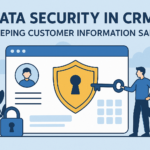




In today’s digital landscape, Customer Relationship Management (CRM) systems have become an essential tool for businesses of all sizes. By centralizing customer information, these systems enhance communication, streamline processes, and ultimately drive sales. However, with this wealth of data comes the responsibility of ensuring it remains secure. Data security in CRM is not merely a technical requirement; it is a foundational aspect of maintaining customer trust and compliance with legal standards. This article delves into the critical components of CRM data security and strategies to safeguard sensitive customer information.
The Importance of Data Security in CRM
1. Protecting Customer Trust
Customers share their personal and financial information with an expectation of safety. A data breach can lead to loss of trust, which is often irreparable. As word spreads about security failures, it can adversely affect a company’s reputation and bottom line. Maintaining robust data security practices reassures customers that their information is safe, fostering loyalty and long-term relationships.
2. Legal Compliance
Numerous regulations, such as the General Data Protection Regulation (GDPR) in Europe and the California Consumer Privacy Act (CCPA) in the United States, impose strict guidelines on how companies handle customer data. Non-compliance can result in hefty fines and legal repercussions. Ensuring that your CRM system adheres to these regulations necessitates a comprehensive approach to data security.
Key Components of Data Security in CRM
1. Access Control
One crucial aspect of data security is implementing stringent access controls. Organizations must ensure that only authorized personnel can access sensitive customer information. Strategies include:
-
Role-Based Access Control (RBAC): Limiting access based on user roles can prevent unauthorized access to sensitive information. Employees should only see the data necessary for their roles.
-
Multi-Factor Authentication (MFA): MFA adds an additional layer of security by requiring users to verify their identity through multiple methods. This can significantly reduce the risk of unauthorized access.
2. Data Encryption
Data encryption converts information into a code to prevent unauthorized access. By encrypting customer data—both at rest and in transit—organizations can ensure that even if hackers gain access to the data, it will be unreadable without the decryption key. Modern CRMs offer options for encrypting emails, files, and databases.
3. Regular Software Updates
To combat vulnerabilities, organizations must regularly update their CRM software and associated applications. Software developers frequently release patches and updates to address security flaws. Implementing these updates promptly is critical to staying protected against emerging threats.
4. Data Backup and Recovery Plan
In the event of a data breach or loss, having a solid data backup plan is essential. Regularly backing up CRM data and having a clear disaster recovery plan ensures that information can be restored quickly. Organizations should consider both local and cloud-based backup strategies for redundancy.
5. Monitoring and Auditing
Constantly monitoring data access and usage is vital for identifying suspicious activities. Logging access and maintaining audit trails can help organizations detect potential security breaches early. Additionally, routine audits can ensure compliance with security policies and regulations.
Best Practices for Securing CRM Data
1. Training and Awareness
Human error is often a significant contributor to data breaches. Regular training for employees on best practices for data security—including recognizing phishing attempts, secure password management, and managing customer data—can help mitigate risks.
2. Third-Party Assessments
If a business uses third-party integrations with its CRM system, it’s crucial to evaluate the security measures of those vendors. Conducting security assessments can help identify potential vulnerabilities in the extended ecosystem and ensure that third parties uphold stringent data security practices.
3. Data Minimization
Organizations should only collect the data that is necessary for their operations. This practice not only minimizes exposure in the event of a breach but also aligns with data protection regulations that emphasize the importance of data minimization.
4. Incident Response Plan
Preparing for a potential data breach by having an incident response plan in place can significantly reduce damage. This plan should include steps for containment, assessment, communication, and recovery. Ensuring employees understand their roles within this plan is crucial for an efficient response.
5. Secure Cloud Solutions
Many businesses are turning to cloud-based CRM solutions for advanced functionality and ease of use. However, it is essential to choose a reputable provider that implements stringent security measures, including data encryption, intrusion detection, and regular audits.
Conclusion
Data security in CRM is not just a technical consideration; it’s a business imperative. As companies continue to rely on CRM systems to manage customer relationships, they also need to prioritize keeping this sensitive information safe. By implementing a robust data security framework that includes access control, encryption, regular updates, and continuous monitoring, organizations can protect their customers and their reputations. As we move further into the digital age, maintaining customer trust through effective data security measures will ultimately differentiate successful businesses from those that struggle under the weight of data breaches.
FAQs
1. What are the main threats to CRM data security?
The main threats include phishing attacks, malware, unauthorized access, and human error. Cybercriminals are continually looking for vulnerabilities to exploit.
2. How can I ensure my employees follow data security practices?
Regular training sessions, clear policies, and ongoing communication about the importance of data security can help ensure employee compliance with best practices.
3. Is encryption sufficient to secure customer data?
While encryption is crucial, it should be part of a multi-layered security strategy that includes access controls, monitoring, and regular software updates.
4. What should I do if a data breach occurs?
Follow your incident response plan, contain the breach, assess the damage, notify affected parties, and cooperate with any investigation.
5. How often should I conduct security audits?
Security audits should be conducted regularly, ideally at least once a year, but more frequently if there are significant changes in your CRM system or business processes.